Luka Dončić has spent most of his life under the brightest lights basketball can offer. From prodigy in Europe to global NBA superstar, his journey has been defined by winning, brilliance, and relentless expectations. Yet in a rare, deeply personal moment, Dončić revealed a truth that stopped the sports world cold — a painful family reality that success could never erase.
For years, fans noticed something unusual. Saša Dončić, Luka’s father and a former professional basketball player and coach, was rarely present at Luka’s biggest games. In an era when parents of elite athletes are often fixtures courtside, his absence quietly raised questions. Luka never addressed it publicly — until now.
When Dončić finally spoke, he didn’t offer dramatic revelations or point fingers. Instead, he shared a few restrained, unfinished words that carried enormous emotional weight. “I’ve won so many games, but my father…” he said, letting the sentence fade. That silence said more than any detailed explanation ever could.
According to those close to the family, the truth behind Saša Dončić’s absence is not scandal, controversy, or lack of love. It is rooted in personal struggles, inner battles, and circumstances that made presence painful rather than possible. Luka’s revelation suggested something far more human: that absence does not always mean abandonment, and distance does not always equal indifference.
What struck people most was Luka’s tone. There was no anger, no resentment, and no desire to expose private wounds for public sympathy. Instead, there was sadness, understanding, and maturity far beyond his years. Championships, MVP conversations, and sold-out arenas suddenly felt insignificant next to the quiet longing of a son who simply wished his father could be there.
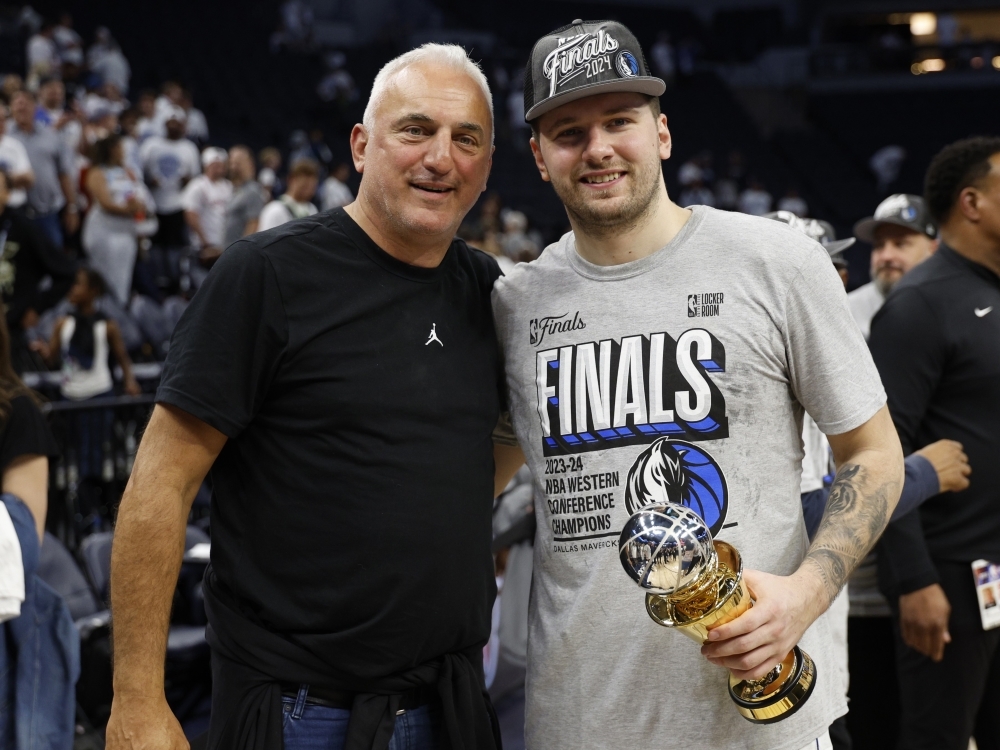
The public reaction was immediate and heartfelt. Fans around the world expressed empathy, not judgment. Many related to the idea that professional success does not heal childhood pain or guarantee family harmony. Luka’s honesty reminded people that even those who seem to have everything may carry invisible burdens.
Importantly, Saša Dončić was not vilified. Because Luka chose compassion over exposure, the story remained human rather than sensational. Analysts emphasized that family relationships are complex and that struggles often happen far from public view.
This moment reshaped how many see Luka Dončić. He was already admired for his skill, confidence, and basketball intelligence. Now, he is also seen as someone willing to show vulnerability — a rare strength in a sports culture that often celebrates emotional armor.

Ultimately, this was not a story about darkness. It was a story about humanity. About a son who has conquered the world, yet still acknowledges what he missed. And about the quiet courage it takes to admit that some victories don’t show up on the scoreboard.